


Welcome to Radio Quotidia, episode 1 of The Blues, 12 minutes or so of music and musings. Quentin Bega here at the helm. I’m broadcasting from our studio located somewhere in the depths of Quotidia inside a digital onion. My aim to keep you entertained for a while. As I say, the theme this month is the blues. [insert song]
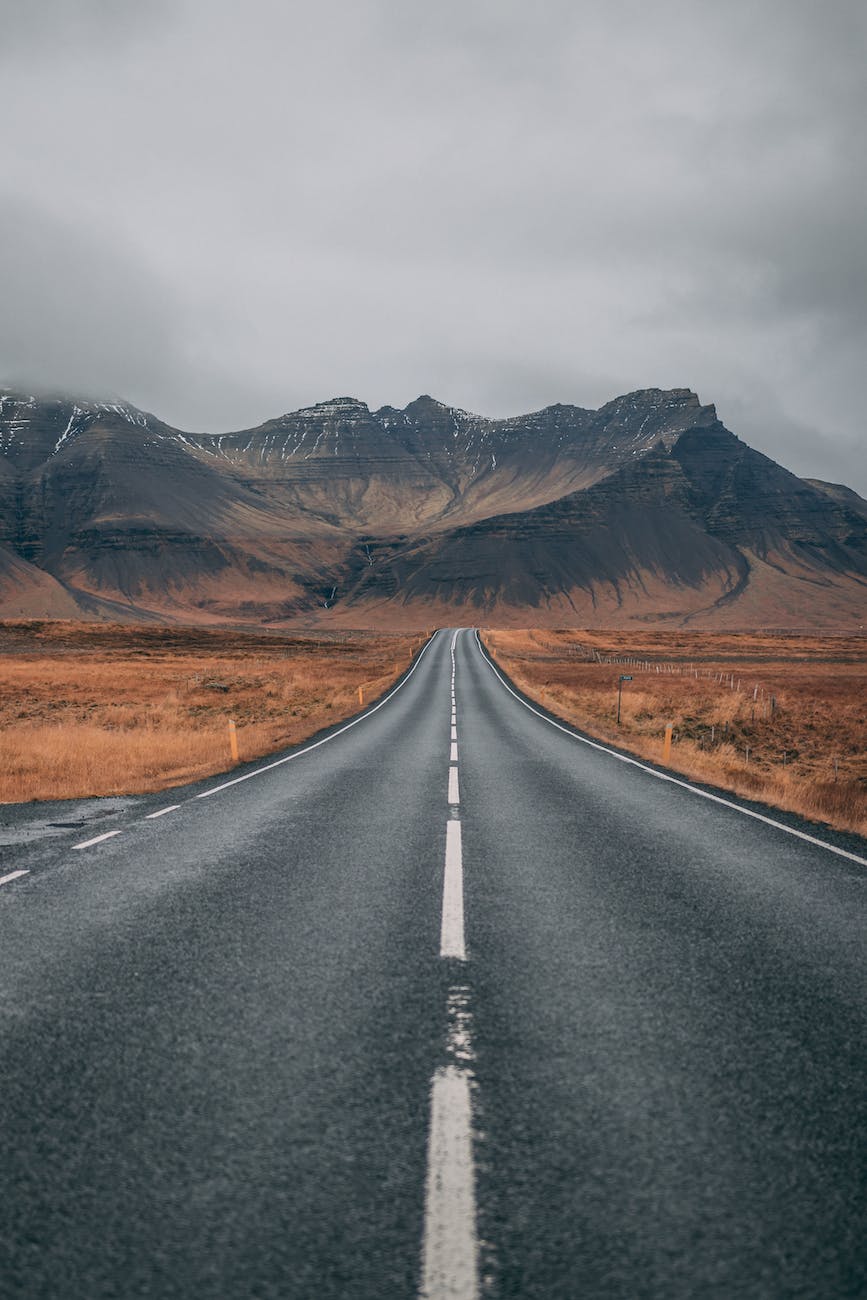
The song was the opener on the first LP I ever bought, The Rolling Stones, released on 14 April 1964. I loved it from the first bars of Route 66 which blasted out of my Dad’s stereo in the front room of our home in Cushendall, County Antrim. Written by US Marine Bobby Troup in 1946, who didn’t see colour, only soul, according to one of the marines serving under him. It remains one of the finest songs about freedom and the open road. According to my muse, Wikipedia, Route 66 symbolises escape, loss, and the hope of a new beginning; Steinbeck dubbed it the Mother Road. Another designation was the Main Street of America.
It was a primary route for those who migrated west, especially during the Dust Bowl of the 1930s, and it supported the economies of the communities through which it passed. People doing business along the route became prosperous, and they later fought to keep it alive in the face of the growing threat of being bypassed by the more advanced controlled-access highways of the Interstate Highway System in the 1960s and 70s.
It underwent many improvements and realignments over its lifetime, but it was officially removed from the United States Highway System in 1985. Nothing ever stays the same, but it’s good to remember the good things about places and people. Now to another storied highway in American blues culture, Highway 61.
According to my muse, it extends 1,400 miles (2,300 km) between New Orleans, Louisiana and the city of Wyoming, Minnesota. The highway generally follows the course of the Mississippi River and is designated the Great River Road for much of its route. It terminates in New Orleans and was an important south–north connection in the days before the interstate highway system. The highway is often called the Blues Highway because of its long history in blues music. It is also the subject of numerous musical works, and the route inspired the album Highway 61 Revisited by Bob Dylan.
As Dylan writes in his memoir, Chronicles, Highway 61, the main thoroughfare of the country blues, begins about where I began. I always felt like I’d started on it, always had been on it and could go anywhere, even down in to the deep Delta country. It was the same road, full of the same contradictions, the same one-horse towns, the same spiritual ancestors … It was my place in the universe, always felt like it was in my blood.
The suits at Columbia records didn’t understand Dylan’s title for the 1965 album and wanted to call it something else but Dylan fought for his idea right up the ladder until, as Robert Shelton, recalled, word came down and said, Let him call it what he wants to call it. So, Highway 61 Revisited, it is.
Hey, if you’re into spooky tales, the intersection of this highway with Route 49 is said to be the locus where Robert Johnston sold his soul to the devil. Anyway, here it is- my version of the title song. [insert song]
My thanks to my older brother Brendan who bought me this album for my 16th birthday, and I’ve been listening to it, off and on, ever since that time. That’s it from deep inside the digital onion that is Quotidia. Next week I’ll continue the theme with a Gershwin classic and a blues oldie to bracket the broadcast. And to quote from that Gershwin song, don’t you cry. Blues isn’t about crying- or not just about crying. I’ve always been captivated by its humour, truth and insight about the human condition. As Langston Hughes said in his short poem, Blues on a Box, written the year before I was born, Play your guitar, boy,/Till yesterday’s black cat/Runs out tomorrow’s back door// Talk about compressed wisdom! [695 words]
Credits: All written text, song lyrics andmusic (including background music) written and composed by Quentin Bega unless otherwise specified in the credits section after individual posts. Illustrative excerpts from other texts identified clearly within each podcast. I donate to and use Wikipedia frequently as one of the saner sources of information on the web.
Technical Stuff: Microphone- Shure SM58; (for the podcast spoken content) Audio Technica AT 2020 front-facing with pop filter); Apogee 76K also used for songs and spoken text. For recording and mixing down: 64-bit N-Track Studio 9 Extended used; Rubix 22 also used for mixing of microphone(s) and instruments. I use the Band in a Box/RealBand 2023 combo for music composition.
Discover more from Quentin Bega's Blog
Subscribe to get the latest posts sent to your email.
