
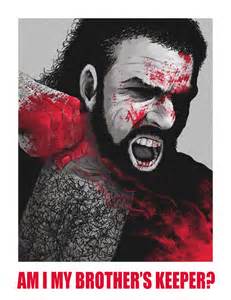
Entry 11: The Mark of Cain- The first crime recorded in Genesis is homicide or, more specifically, fratricide. But this is not the first sin: that preceded the crime. Milton puts it most memorably in the opening lines of the great Paradise Lost:
Of Man’s first disobedience, and the fruit Of that forbidden tree whose mortal taste Brought death into the World, and all our woe, With loss of Eden, till one greater Man Restore us, and regain the blissful seat, Sing Heavenly Muse, that, on the secret top Of Oreb, or of Sinai, didst inspire That shepherd who first taught the chosen seed In the beginning how the heavens and earth rose out of Chaos.
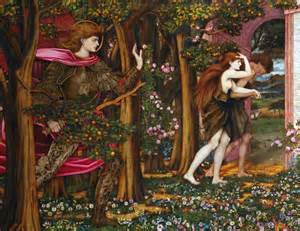
The mortal taste of the forbidden fruit results in the expulsion from Eden and we find Adam and Eve wandering east of Eden dressed in garments of skin. God places an angel with a flaming sword at the entrance to the garden to prevent the pair, who now have knowledge of good and evil, from returning to eat from the tree of life and thus become immortal. God had cursed the deceiving serpent and also the ground so that humanity would have to struggle against weeds and blight to bring forth sustenance: as the King James version puts it:
…cursed is the ground for thy sake; in sorrow shalt thou eat of it all the days of thy life; Thorns also

and thistles shall it bring forth to thee; In the sweat of thy face shalt thou eat bread, till thou return unto the ground; for out of it wast thou taken: for dust thou art, and unto dust shalt thou return.
Interesting, from the point of view of a contemporary audience, is the paucity of detail surrounding the murder of Abel by his brother Cain. We are used to printed and visual texts going into minute detail about motivation and the process leading up to the act of murder itself. Basically all we are told is that God accepted Abel’s offering over Cain’s. Cain gets in a snit. Then they go out into the field where, in the words of the King James Bible, Cain rose up against his brother Abel, and slew him.
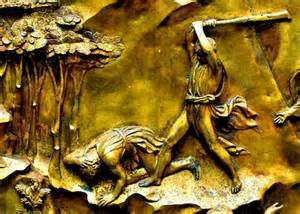
That’s it. Nothing more. The aftermath is more detailed, of course. When God enquires after Abel, Cain replies with the famous line: Am I my brother’s keeper? God then condemns Cain to roam the earth as a fugitive and a vagabond, unable to till the ground as it has drunk the blood of his brother. When Cain complains that he will be a marked man (and here we need not examine too closely where the other people who would harm Cain might have come from) God replies: Whosoever slayeth Cain, vengeance shall be taken on him sevenfold. And the Lord set a mark upon Cain, lest any finding him should kill him.
So, originally the mark of Cain was divine protection! Fratricide has been a feature of legend, history and society from this time: In The Antigone, by Sophocles, Eteocles and Polyneices kill each other by stabbing one another through the heart; Romulus kills Remus and founds the city of Rome- setting the stage for lots of family killings down through the 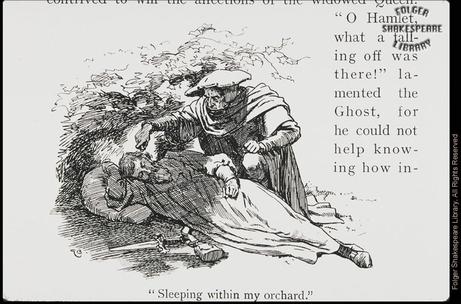 centuries. In Hamlet, Claudius kills his brother, the king to grab the throne and Queen Gertrude.
At about the same time as the composition of Hamlet, it was not a recipe for long life to be the brother of the Sultan of the Ottoman Empire. In the reign of Mehmet III, upon the birth
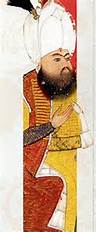
of a male heir to the throne, nineteen of his brothers were strangled with silk cords and buried with their father. In contemporary popular culture, Michael Coreleone kills his brother in The Godfather, Part Two and, in Disney’s The Lion King, Scar kills his brother Mufasa.
In the mid-1980s, I had been successful in writing a TV and a radio drama for the Irish broadcaster, RTE, both of which incorporated music as part of the drama. I then started to write a TV show for Ulster TV called The Last Country Band in Ireland, and as a preparation for this I had listened to countless hours of country music from Ireland and the US. The show was to open with a showdown using the 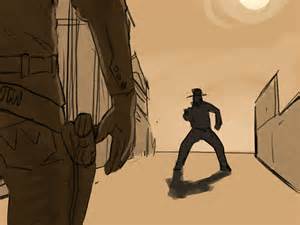 cliché of two gunslingers facing one another in a western setting- saloon bar, horse stables, goods store, sheriff’s office and frontier damsels with handkerchiefs raised in horror to their faces.
The song would play over the opening sequence leading to the shoot-out, when the camera would pan back and we would see the backdrop to be a contemporary Ulster setting. I had a lunchtime meeting with one of the station’s producers and everything seemed promising.
Then, the opportunity to return to Australia fell in my lap and, with only six months to avail myself of this prospect, I did not have time to complete the script and the process and make the arrangements for the move back to Australia. But I did have the time to write a few songs in the genre. I had chosen this song to open the show, which, like too many other ideas, lies stillborn in a file somewhere in the loft or garage. But here’s the song:





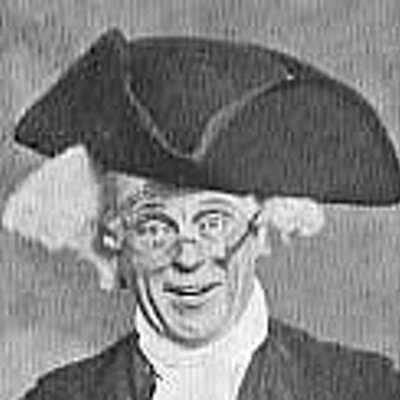 luxurious castle and surrounding garden. In the time between their expulsion from their paradisial abode at the novella’s start and the garden in which they find themselves at the conclusion, Pangloss and, separately, his naïve charge, Candide, undergo a series of improbable adventures including a scene in Lisbon Harbour where the one-eyed-one-eared-syphilitic tutor, now reunited with his erstwhile pupil (didn’t I mention a series of improbable adventures?) assures Candide that the tragic drowning of a friend, Jacques, who had saved him from being lynched, was quite in keeping with the Panglossian world view, which is summed up in the words: we live in the best of all possible
 worlds.
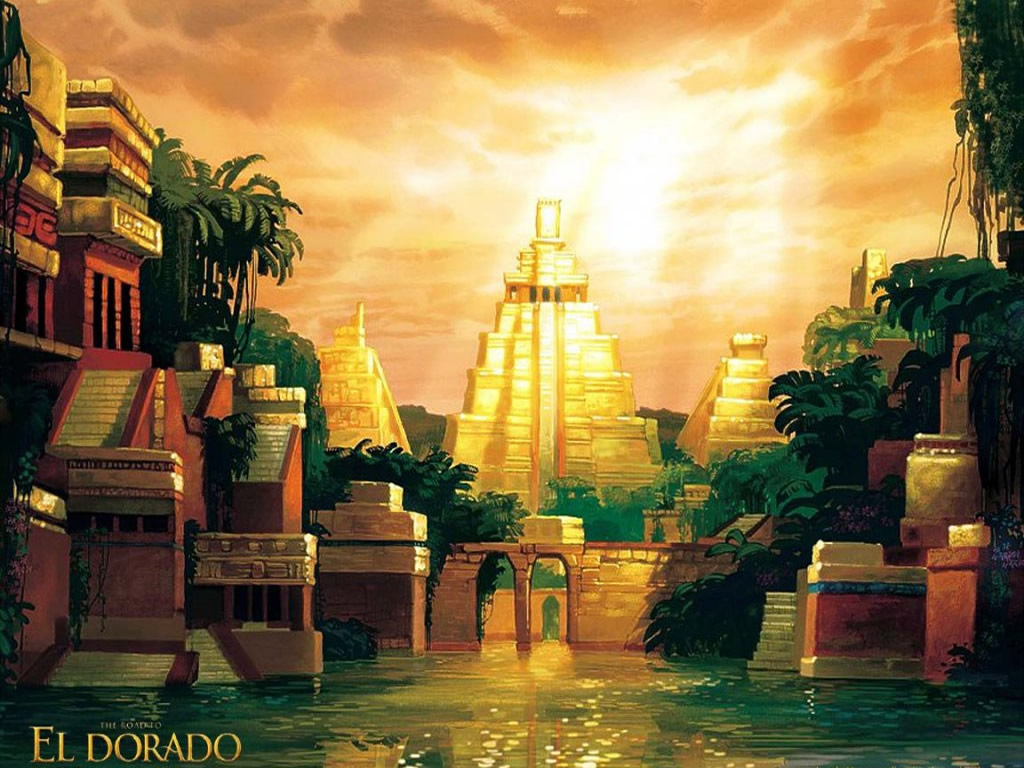 loss of a buttock to feed some starving men. Candide, separated a second time from his love, finds himself in El Dorado where a life of fulfilment and riches are on offer. But Candide, pining for Cunegonde, sets out in search of her with lots of loot which, of course, he mostly loses along the way.

 Entry 14: All the Women- A circle with a small equilateral cross underneath, a stylised representation of the goddess Venus’s hand-mirror, is widely known as the symbol for woman. There is also another association: with the element copper. Alchemists, or, at least, some among their number, represented this element by constructing the symbol from a circle (representing spirit) above an equilateral cross (representing matter). Spirit and matter: that covers all the bases, I would think.
 are associated, alchemically, with the element iron. Is this, I wonder, the origin of the saying Men are from Mars and Women from Venus? Such a citation may lead one to expect a dissertation on the battle of the sexes: sorry, ain’t happening. Furthermore, because this entry is entitled “All the Women”, the listener may be expecting a learned explication on the topic. Alas, my expertise, knowledgeability and experience of the gender is lamentably narrow and, therefore, such expectations will be disappointed.
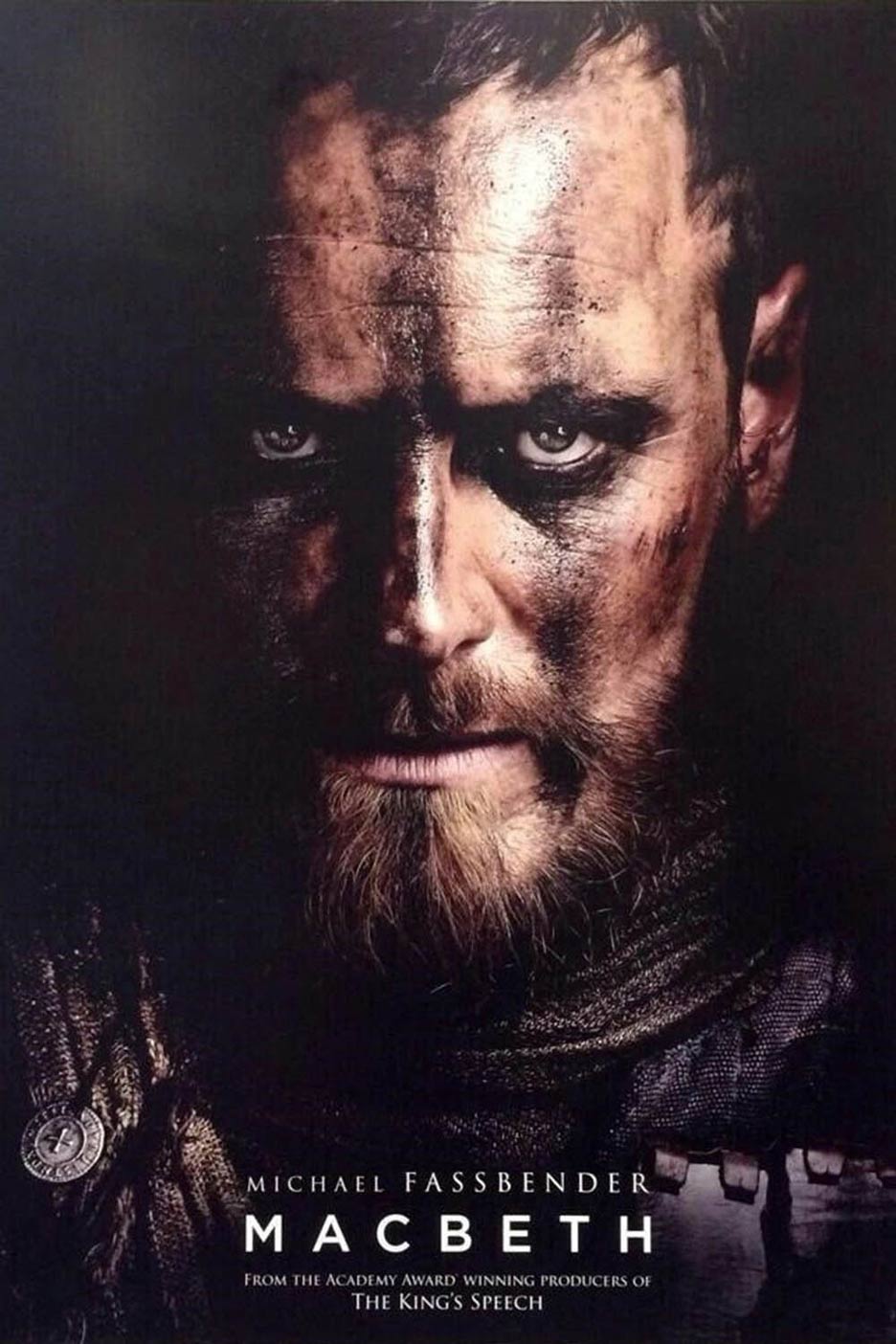 wolves, are clept/ All by the name of dogs. Macbeth asks if they are true men and the second murderer replies I am one, my liege, /Whom the vile blows and buffets of the world/ Have so incensed that I am reckless what/ I do to spite the world. The first murderer agrees with his homicidal buddy, And I another/So weary with disasters, tugg’d with fortune, /That I would set my life on any chance, / To mend it, or be rid on’t. So, in the catalogue, to use Shakespeare’s phrase, I am a man. But of what sort?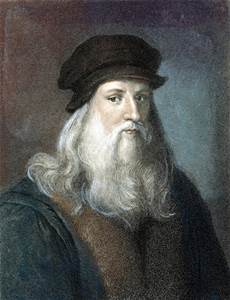
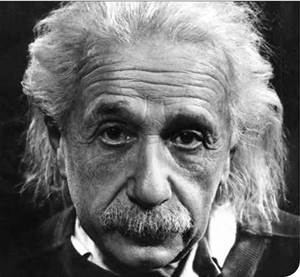
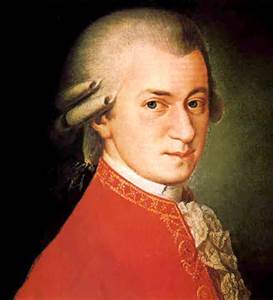
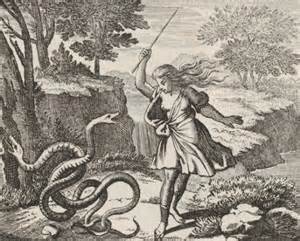
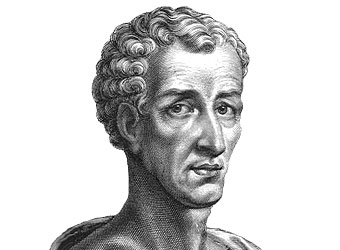 metaphysical junk.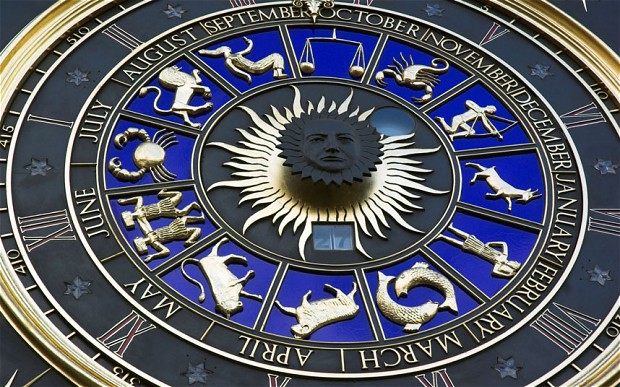
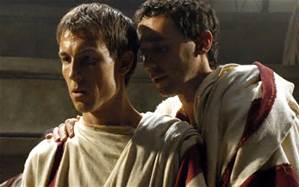 are underlings. Speaking, is the lean and envious Cassius as he urges Brutus to join the conspiracy to assassinate Julius Caesar. The remarkable Helena from All’s Well That Ends Well asserts, Our remedies oft in ourselves do lie, / Which we ascribe to heaven and the bastard Edmund from King Lear sneers This is the excellent foppery of the world, that, when we are sick in fortune, often the surfeit of our own behaviour, we make guilty of our disasters the sun, the moon, and the stars.
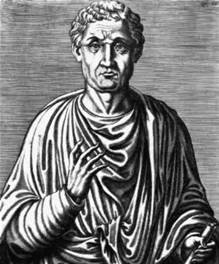 great and the good, the venal and the humble across millennia. He stands balanced between the East and the West, the Platonists and the Christians, the Free and the Imprisoned, the Blissful and the Tortured. I think, next, of the protagonist of A Confederacy of Dunces, Ignatius J Reilly, who is both a subversive, medievalist Don Quixote railing against the absurdities of the modern world and a fat, indolent slob, too timid to venture outside the confines of 1960s New Orleans.
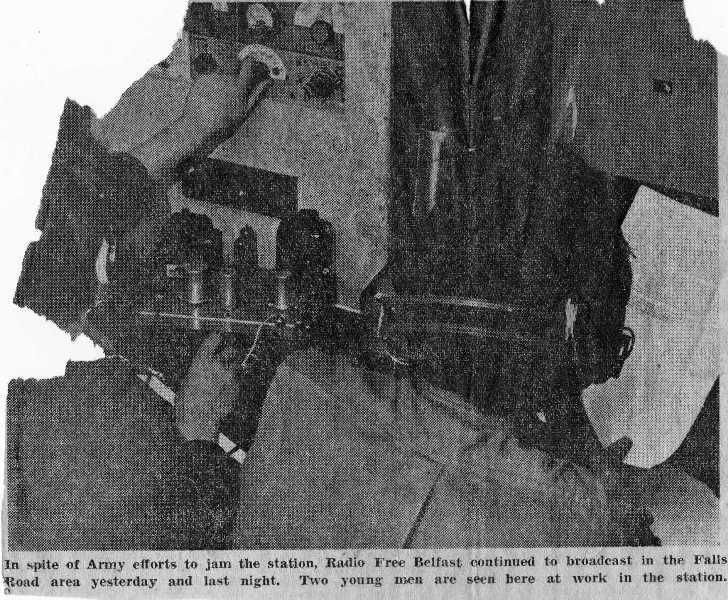
 stars reveal, we revel in the scratching of the What Ifs. “What if I had… what if I hadn’t…” haven’t we all been there? I have been careful, hitherto, about commenting too directly on the songs associated with particular entries, but here, with some trepidation, I’ll make an exception. In the early 1980s I submitted a script to RTE in Dublin-which was accepted. I had returned to Ireland from Australia at the beginning of 1979 and was dismayed to learn that the “Troubles” which had vexed Irish history for hundreds of years was still “alive and well” or should I say “suppurating and spreading”.
 he lyrics of the original and shorter song, been swimming in the pond of a post-modern stew where bubbling up is the mephitic revelation of so much that was denied to an earlier, more innocent conception of what the world is really like. When it came the time to re-cast and elaborate on those more innocent words, I found myself inhabiting a darker space where the protagonist of the song has now become a malevolent entity rather than the pitiable person who sings the first part of the song. The coda, I added much later, when the song needed some expansion as it was, originally, less than two minutes long. Here, I cloak a nightmare in a sweet-sounding conclusion.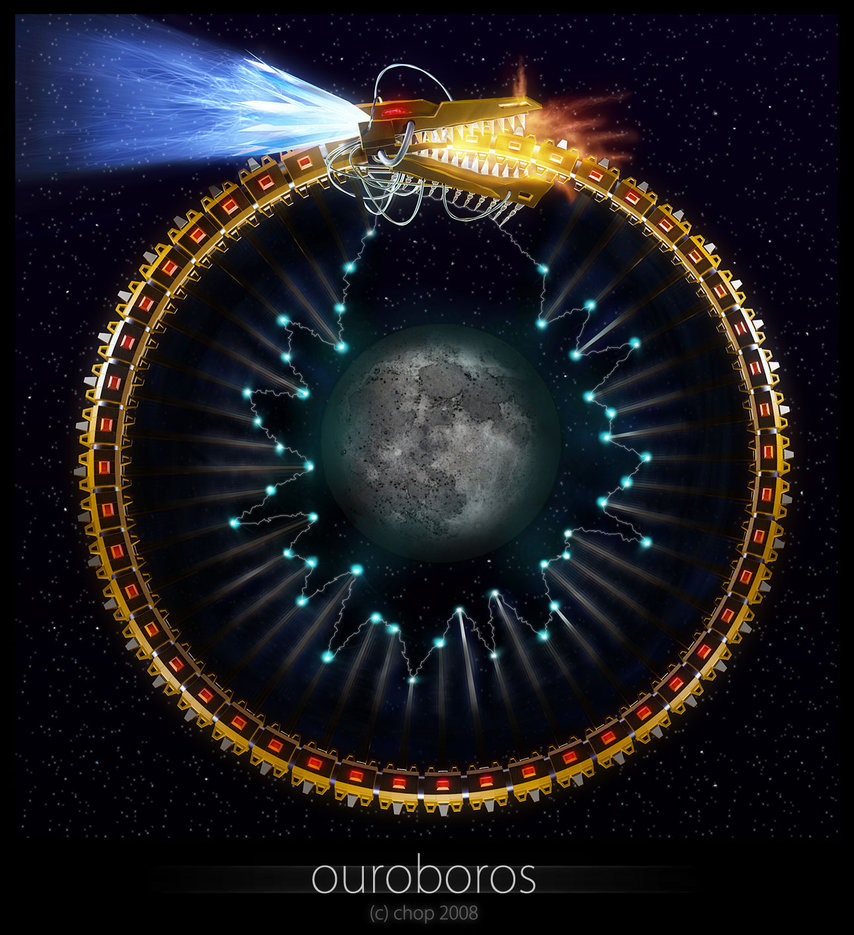


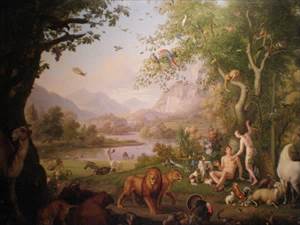

 it could be that even in the farthest reaches of interstellar space, there wasn’t “nothing”: Nature abhors a vacuum as we all know, and it will create fundamental particles rather than allow “nothing” to persist anywhere in vastness of the universe.
 consequently, expensive. Nah, cheap as chips at the market, the Mum replied- and then the furor poeticus struck and I knew precisely why clothing in Australia was so modestly priced.
 room. Just as she has to watch her favourite lifestyle and reality programs when I am otherwise engaged. There is no animosity attached to this for we have a range of shared favourites at prime-time. (Although, in the splintering media landscape- if a landscape can be said to splinter- such a term as media landscape may seem as quaint as quilting before too long.)
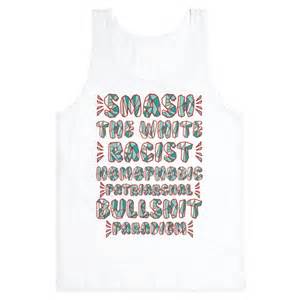 Now, I have referred to the patriarchal paradigm before in this series, and I would not be surprised if there is something in the idea that men and women are hard-wired to respond to differing ways of engaging with the world- but I am puzzled by the undoubted fact that I am, and always have been, a complete klutz when it comes to the more sophisticated operations in the area of fabrication, manufacture and the manipulation of the physical world. By more sophisticated, I refer to anything beyond replacing a light-bulb or putting up a shelf.
 symbolism of this historic event.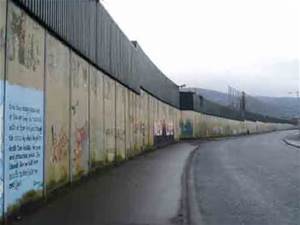
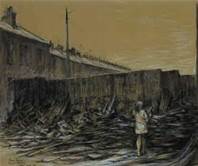 Back in 1969, I responded to a call which went out over the radio for boarding students at my college to return early to help the refugees from the burnt-out streets. We hastily set up a reception centre in the college hall and had a crash course in how to be bureaucrats as we helped the bewildered victims fill in emergency relief forms. As I walked down the Falls and Donegall Roads of an evening to visit my girlfriend I could see the corrugated iron barricades going up on the side streets. There was fear in the air and I could feel the prickles on the back of my neck as I imagined being tracked through gunsights from the murky alley-ways I passed.
 remembered a schoolboy pact I had made with a friend, that we would visit Australia and watch the cane-fields burn as we worked our way across the exotic continent seemingly as distant as the moon. It wouldn’t be with my school buddy but my girlfriend who became my wife, with whom I would clamber aboard a QANTAS jet in September of 1972, our daughter of three months in our arms, and set off for Sydney.
 end up like the oysters in this poem:
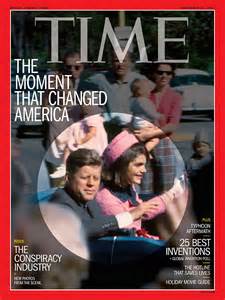 Entry 18: Diving for Pennies- Most people know the trope: I can remember exactly where I was and what I was doing when…(Here you can supply your own memorable event) Well, I can remember two such instances from my own life: the first is the assassination of JFK on November 22nd 1963. I was in Junior High at Seroe Colorado High School in Aruba, a small island in the Caribbean Sea off the coast of Venezuela. Its claim to fame was that, at one time, it was the largest oil refinery in the world. It was afternoon and a girl came screaming from the student parking lot “They’ve killed Kennedy, they’ve killed Kennedy”. As you might imagine, the routine of the school-day was shattered- as was everybody, staff and students.
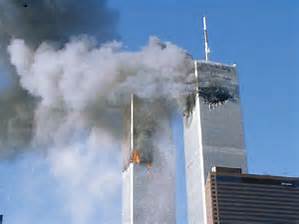 reports came through. I was tired, rather puzzled at how a pilot could fail to see such prominent edifices, and drifted off as the radio droned on. The next morning there was nothing on TV but reports of the atrocities involving those aircraft and I sat transfixed, watching the coverage all morning. That afternoon, I remember driving to Sydney airport in a daze to collect my brother-in-law and his wife who were returning from a holiday in Ireland.
 else of my oeuvre, I put the idea in a drawer and forgot about it until I decided to write these journal entries. Here follows the overly-pessimistic text I wrote then and a song about letdowns from the collection:
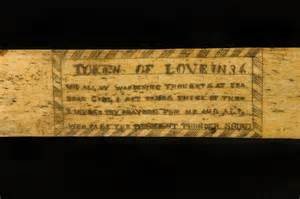 Like a poem carved upon an ancient bone. So then, to the eye that may not ever be there to see, and the ear that may never be there to hear- Greetings! I don’t know if your age will be one that is keen on pinning down time; nevertheless, let me give you a point of reference. It is now my birthday- 10:30 p.m. on the 31st of October, 2001 A.D. (if such an hour-and-date nomenclature has meaning in your time). I am living in an outer-western suburb of Sydney, Australia called Werrrington (if such a geographical reference means anything to you).
 And I have been drinking (I’m sure, however straitened your circumstances, some form of potable liquor still has a place at your tables or around the fires at your campsites.)- I have been drinking Scotch whisky mixed with Cola– a syrupy and fizzy soft drink popular at one time. As an anthropological aside may I say that many considered such a combination to be a barbarism in our era. To those arbiters of taste around me who made such disparaging references to my imbibing predilection, I answered, only, that, having lost sight of any civility around me, I couldn’t fail but to agree with them. Such was my attachment to the ironic voice. An antique relic of the 20th Century, alas. But this lapse in taste on my part was eclipsed by other departures from civility by others… so, unfortunately, this barbarism didn’t hold a candle to the sorts of atrocity that enveloped the world in the first year or two of the new millennium. Read your history books. If any exist. Of course, songs need no explanation. If they are sung they live. The words are only ash- smudges that are merely remnants of the real thing. However, if your era is anything like ours, we need the crutches of explication- if only to impress by our borrowed erudition. This process was miscalled education while I was alive. I leave, instead, a poem for your contemplation.
 Explication: Like a poem carved upon an ancient bone/Dug out of an ash-pit,/An outline of a heart in bog-oak/Dragged up and in to the open air,/The remnants of an ancient tune/Whistling through the shaking leaves/Of the last stand of native trees/Left on a fissured plain,/Let my voice, telling of love/And letdowns, carry across/ The fields of time spread/ To the shimmering edges/Of eternity fringed with/A sparkling circlet of stars/Before they wink out/One by one,/Swallowed by the incurious/Blankness beyond.” Dive with me.




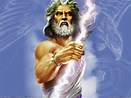 heteroparental superfecundation- where a woman carries twins sired by two different fathers. Randy old Zeus, the husband of the fanatically jealous Hera, disguised himself as the husband, impregnating Alcmene with Heracles before the real husband, Amphitryon, returned later that night to sire Heracles’ mortal twin, Iphicles.
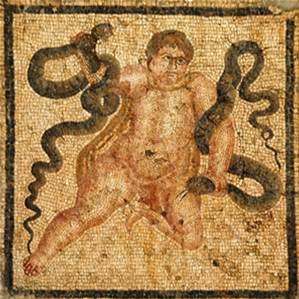 into the nursery, which he duly strangled. Astonished, Amphitryon sent for the seer, Tiresias, who prophesied an unusual future for the boy. What a surprise! Perhaps more surprising is that Heracles, when presented with a choice between a life of indolent hedonism or severe but glorious virtue, chose the latter.
 particularly in Australia, values the self-deprecating-aw-shucks-anyone-would’ve-done-what-I-did schtick adopted by those men and women who perform acts of heroism few of us could ever contemplate doing.
 When I read South Australian poet Ian Mudie’s, My father began as a god the shock of recognition was immediate: I saw myself as the persona of the poem, first; that young boy thinking his father’s laws were as immutable/as if brought down from Sinai; then through the prism of adolescence his father becomes a foolish small old man/with silly and outmoded views; next, with life’s experience shifting the perspective, the flaws scaled away into the past,/ revealing virtues/ such as honesty, generosity, integrity. Finally, and strangest of all, the persona admits that the older he gets the more the image of the father re-asserts its heroic former stature while the son is left just one more of all the little men/who creep through life/not knee-high to this long-dead god.
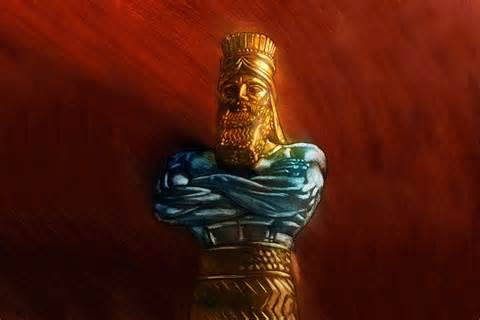 because we are in the presence of yet another hero. Judaic rather than Greco-Roman, a seer and a prophet rather than a strong-man, Daniel divines and interprets the Dream of Nebuchadnezzar where a statue with a gold head, silver arms and breast, copper belly and thighs, iron legs and mixed iron and clay feet is destroyed by a rock.
 means that God has numbered his days, he has been weighed and found wanting, and his kingdom will be given to his enemies.
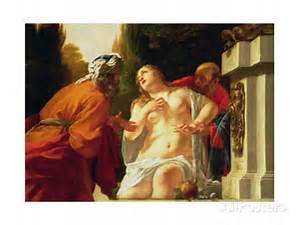 My favourite Daniel story, though, is that of Susanna and the Elders. Two lecherous oldies, spying the naked woman bathing say they will accuse her of meeting with a lover unless she has sex with them. She refuses, is about to be put to death for promiscuity, when Daniel interrupts proceedings and by skilful cross-examination exposes the fraud. The lechers get their comeuppance. Virtue triumphs.