

Entry 31: The Cycle of Love- Gulgong is a memorable spot. Situated in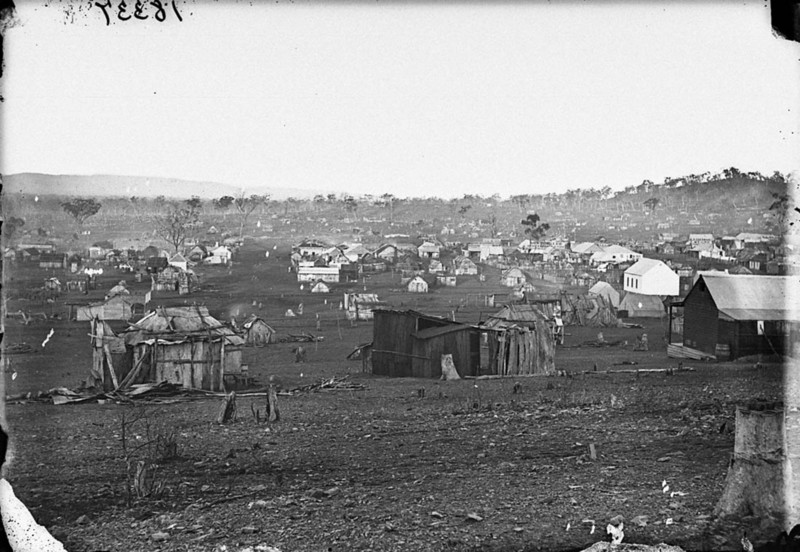 the Central Tablelands of New South Wales about 300 kilometres north-west of Sydney, it afforded the indigenous Wiradjuri people plentiful game and sweet water before white settlement. In the 1820s, conflict between white settlers and the aboriginal inhabitants intensified, with martial law being decreed in 1824. Shooting parties, freed to roam at will, killing the tribespeople on sight, ensured that, within a generation, very few survivors remained. One William Cox, who, according to some
 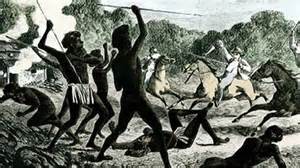 sources made a significant contribution to their extermination, claimed the last local black died in 1876.
By this time, a gold rush had been in full swing for six years, with the population of the area swelling to over 20,000. But by 1881, it was all over, with the population subsiding to a little over twelve hundred souls. In its hey-day, though, Gulgong swanked it with the best of her larger metropolitan sisters what, with dancing girls having nuggets of gold thrown in their laps and crowds of rowdy fortune seekers surging through the narrow streets.
Henry Lawson sets the tone in The Roaring Days, So let us fill our glasses/ And toast the Days of Gold;/ When finds of wondrous treasure/ Set all the South ablaze. Between 1870 and 1880, the fabled Cobb and Co coaches took away 483,170  ounces of gold from Gulgong and nearby fields. And the poet captures the excitement of the time with Behind six foaming horses,/And lit by flashing lamps,/Old Cobb and Co., in royal state,/Went dashing past the camps.
Henry would have been somewhat bemused to find himself on the first ten-dollar note, given his lack of luck with money during his lifetime. Almost always desperately poor, he spent time in Darlinghurst Gaol for drunkenness and non-payment of child support. The tone of One Hundred and Three, his prison number, and the title of a sombre poem, published in 1908, is far removed from The Roaring Days, The brute is a brute and a kind man kind and the strong heart does not fail-/A crawler’s a crawler everywhere but a man is a man in gaol!
 But I like to think that he would have laughed out loud to find that Francis Greenaway, a convict transported for the crime of forgery, is depicted on the obverse of the note. In 1989 a white VG Valiant drove slowly up to the Ten Dollar Motel as the sun was rising on New Year’s Eve. The back of the 2000 k
 m journey between North Queensland and Sydney was broken and that’s how my spine felt as we settled into our rooms.
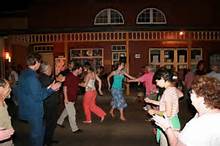
My wife and daughter were excited by the buzz in the streets, surging again with people, as revellers got set for a night’s dancing and drinking as singers in the town’s pubs revisited the region’s past in varying displays of competency at bush balladeering. The 19th Century streetscape is one of the attractions of the town and it was featured as a backdrop to Lawson’s image on the new decimal currency paper note. We had a fine old time dancing up and down the street as the bush band bashed out old favourites such as The Heel and Toe Polka and before we knew it, a new decade had ticked over.
 Returning to Sydney at the end of 1994, we flew over the sunlit landscape below where a little over four years previously I had managed to take a wrong turn during the night drive down from Queensland and found the redoubtable Valiant bouncing down a dry creek-bed where the big, lazy, Detroit six cylinder, displacing 245 cubic inches, shrugged off the sucking sand and rounded river stones to shoulder past whipping branches as the headlights made crazy patterns in the
 darkness while my passengers made comments on my sanity and prowess as a driver. When, somehow, I regained a passable dirt road without ripping out the sump, I told my captive audience that I had merely taken a scenic detour to enliven their journey.
I have been back to Gulgong to two more occasions since then, in ’96 and ’97 to take in the Folk Festival at the turn of the year. I would have liked to have played a few sessions in the pubs with the group I helped get started in Sydney, but family circumstances and work commitments made it impossible. However, carting my second-best guitar, I strolled into a pub and, waiting my opportunity, I sang a song I had composed earlier in the year to a small crowd who had done nothing at all to provoke me.
The stimulus for composition was reports in the media about abuse of various kinds that got me thinking that there were more cycles that those of abuse. Standing in the pub that afternoon, what prompted me to unsling the instrument was the sight of an elderly, smiling woman who reminded me of my mother, who had died five years previously.
As I say, Gulgong is a memorable spot.
 spiders dancing across the span of its virtual web weaving texts for every (and no) conceivable occasion. Snared in incalculable arrays of snugly wrapped binary cocoons are the multitudinous textual trash and treasure from the present and past, waiting to be plucked to a screen near you by the stroke of a key.
 commentator, this astonishing intellect produced some of the most influential ideas of the past century.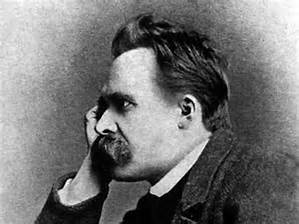
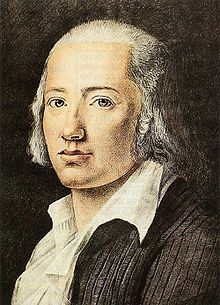 , who spent the final 36 years of his life sequestered in a tower suffering the torments of schizophrenia.
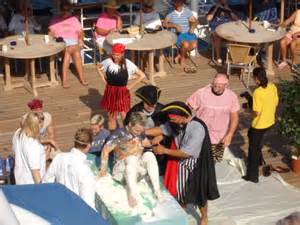 human cargo, but also livestock.
 life, I was fascinated by Eastern philosophy, particularly, Taoism, and I has a well-thumbed paperback translation of the Tao Te Ching to hand. I read: The name that can be named is not the eternal name…the famous first line… just as we take advantage of what is, we should recognise the usefulness of what is not.
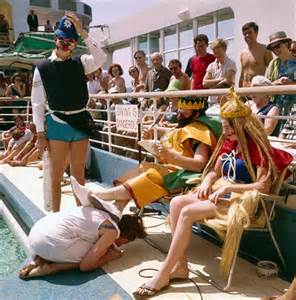 admitted to having never crossed the equator by sea before. I sang O’Sullivan’s John raucously, accompanying myself on borrowed guitar, before being thrown into the pool and swallowing a mouthful or two of holy sobering waters.
 to whether he would be in drag or just another tourist added spice to the rumour. As I say, I treated the family to a cruise at the beginning of 1979. So effective has the treatment been, that, in the thirty-odd years since, I have received no requests for a repetition of the dose.
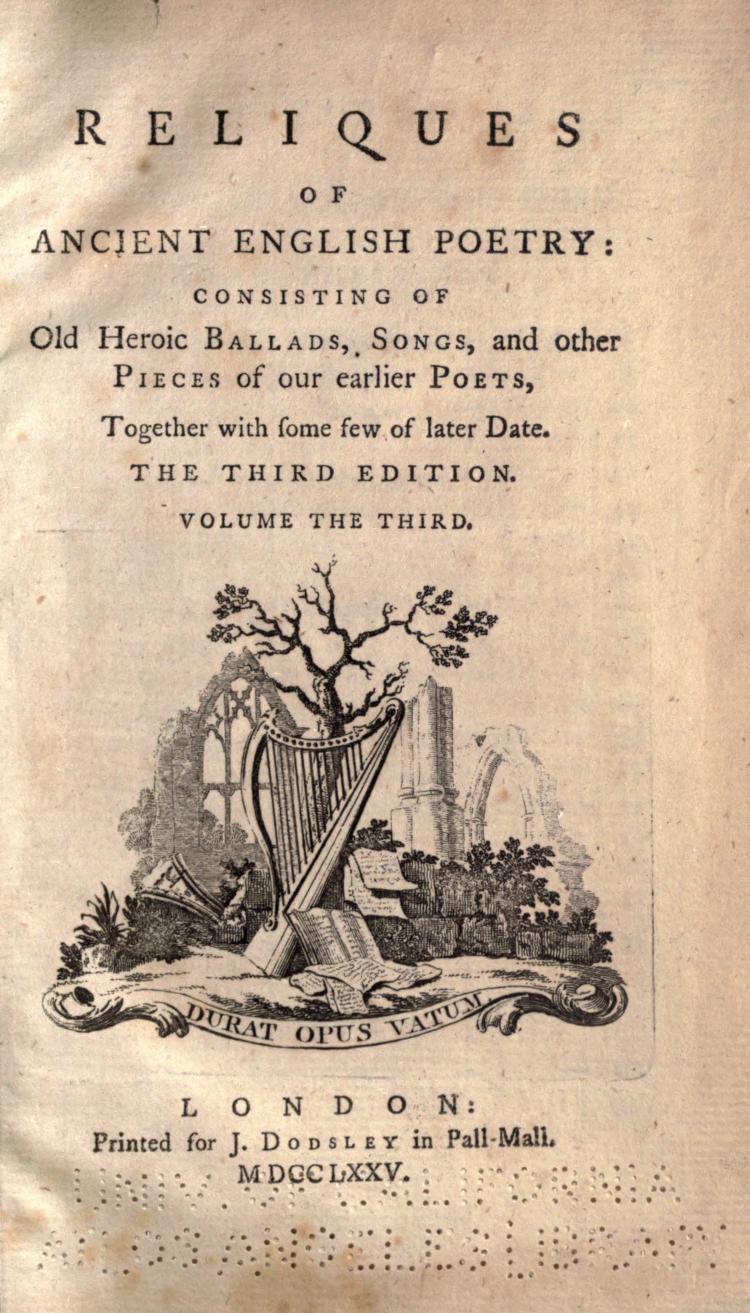 fourth line has given rise to a phenomenon of the 20th and 21st Centuries called the Mondegreen. Coined in 1954 by American writer Sylvia Wright in a Harper’s Bazaar article she explains its origin: When I was a child, my mother used to read aloud to me from Percy’s Reliques, and one of my favourite poems began, as I remember:/Ye Highlands and ye Lowlands,/Oh, where hae ye been?/They hae slain the Earl o’ Moray,/And Lady Mondegreen. The actual fourth line is “And laid him on the green”. Wright explained the need for a new term: “The point about what I shall hereafter call mondegreens, since no one else has thought up a word for them, is that they are better than the original. “Her essay had already described the bonny Earl holding the beautiful Lady Mondegreen’s hand, both bleeding profusely but faithful unto death. She disputed: “I know, but I won’t give in to it. Leaving him to die all alone without even anyone to hold his hand–I WON’T HAVE IT!!!”
 word or phrase. In March, 1966, I bought Substitute, a single by the group, The Who and would sing it lustily on the bus on the morning run to school. The line, My sharkskin suit is really made out of sack, which I’m sure I heard on the original, elicited the question from my school mates, What’s a sharkskin suit? To which I responded with the universal don’t know, don’t care shrug and grunt of the teenage boy. It isn’t even a close homophone of the lyrics, which I later found to be, My fine linen suit is really made out of sack.
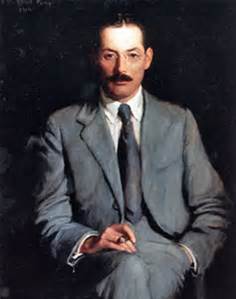 Discontent is woven into the human condition, is it not? Edwin Arlington Robinson, whose parents had wanted a girl and held off naming him for six months, wrote about a man uncomfortable in his milieu in one of his best known poems, published in 1910, Miniver Cheevy,
 Unlike the young protagonist of the song, I was approaching my mid-forties, within the zone for an occurrence of the mid-life crisis, although empirical research has found no evidence for it and questions its validity as a human condition. Wouldn’t that be a bummer for so many writers in so many genres who mine this particular seam for considerable profit- if they were to allow something so inconvenient as the truth to intrude:
 listeners will recognise its most pervasive example, La Cucaracha. But will they, really? Often presented as a speeded up soundtrack in 5/4 time for a cartoon featuring a variety of Mexican stereotypes, frequently mice with elongated ears, or stylised cockroaches in vivid Mexican colours playing a variety of ethnic percussion instruments as they emulate dancing beans, you only get its true power by listening to authentic folk bands who value the historical and revolutionary origins of the song.
 revolution of 1910-1920 accompany a number of versions of that song as well as corridos written about heroes of the revolution including such towering figures as Emiliano Zapata and Pancho Villa. One of the remarkable features of this revolution was the number of striking women who took up arms and who are commemorated in song after song and photograph after photograph.
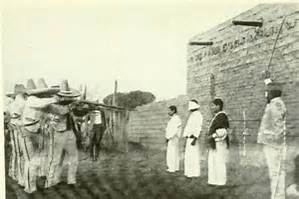 pulls out of the station draped with cheering, moustachioed men; beautiful women wearing bandoliers brandish rifles and family groups in serious poses recall similar middle-class family portraits from the Edwardian era in Europe except that each person in the Mexican portrait, man or woman, boy or girl, is holding a rifle or pistol.
 and I’ll chop your head off. We’re bloodthirsty, crazy and we like to kill. This is not hyperbole or graphic story-telling but an account what has happened to many thousands of victims, men, women and children who have had the temerity to cross the path of one of the narco-gangs.
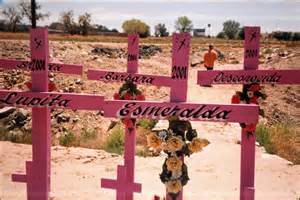 murders were committed across the Sydney basin.
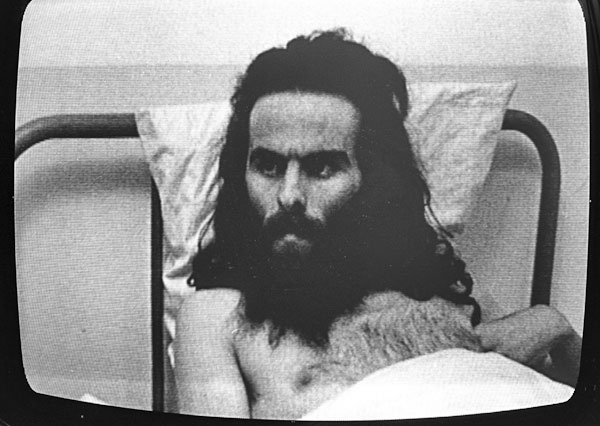 The Lough Erne system comprises two connected lakes straddled by the historic town of Enniskillen. The area is one of breath-taking beauty and we spent an idyllic time cruising the upper and lower loughs and exploring the historical sites on several of the many islands which are sprinkled across the system. At this time, the hunger-strikes were underway, orchestrated by the youngest MP in the British parliament, one Bobby Sands. He was gravely ill in the Maze prison hospital and one of the students, listening to a news update whispered, Die, Bobby Sands, Die.
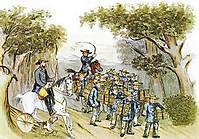 Van Diemen’s Land in 1803- the present-day paradise of Tasmania. My comrades’ ghosts walk behind me/A rebel I came – And I’ll die the same/On the cold winters’ night you will find me.
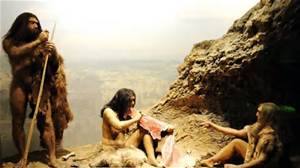 fringing the African savannah. A number of families of early humans have sought sanctuary in caves and hollows from marauding bands of hyena who howl their hunger under a blood-moon as infants cower in their mother’s arms and their fathers with fire-hardened wooden spears muster at the entrances to stave off the predators surrounding them.
 Death as, emboldened, the hunted become the hunters and the hyenas are scattered by an outrush of warriors. Later, around triumphant campfires, the voices re-enact the battle-scene in shaped notes that predate harmony and history.
 song are not only amatory but also rise from love of many kinds- of God, of tribe and country, of children and even, for heaven’s sake, of material goods.
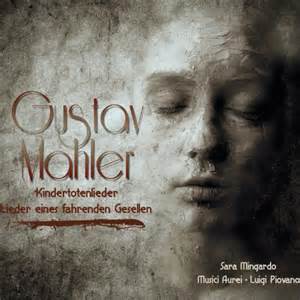 -songs on the death of children. The work, featuring a solo singer, premiered in Vienna on 29 January 1905.
 singing of all styles has kept me alive spiritually along with encounters with poetry, painting, drama and all manner of ostensibly useless art-forms. Walt Whitman cried out, I sing the body electric contemporaneous with the flowering of Sacred Harp music. Please, let’s sing along: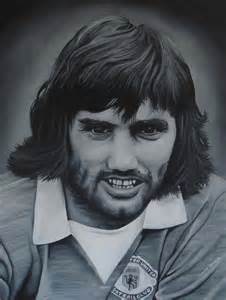
 Entry 36: Staring (in the Antrim Lounge)- Whether you love it or loathe it, Sport is one of the enduring activities of humankind. 17,000 years ago, during the Upper Palaeolithic era, we find in the cave paintings at Lascaux, scenes depicting sprinting. Neolithic rock art from Libya shows archery being practised over 6,000 years ago.
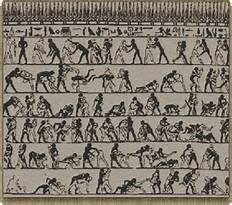 Niankhkhnum who lived 2,400 years ago. The mural shows a wrestling bout between two men that are like stills from an animation. Team sports also have roots in antiquity. Sports that are at least two and a half thousand years old include hurling in Ireland, shinty in Scotland, harpastum (similar to rugby in Rome, cuju (similar to association football) in China, and polo in Persia, according to Wikipedia.
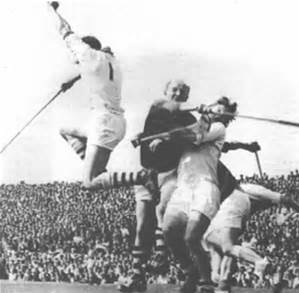 crowd of five hundred Irish immigrants, while the Orange march shivered out of existence. In the opening scenes of the 2011 film Blitz, Jason Statham uses a hurley to beat up three youths who are trying to steal a car. Statham’s character is heard to say, “This, lads, is a hurley, used in the Irish game of hurling, a cross between hockey and murder”. Which brings us to Orwell’s opinion on the matter, serious sport has nothing to do with fair play, it is bound up with hatred and jealousy, boastfulness, disregard of all the rules and sadistic pleasure in unnecessary violence. In other words, it is war minus the shooting.
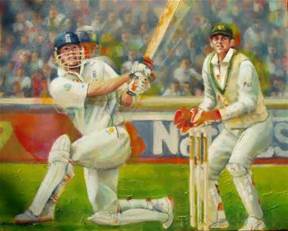 bring a generosity of spirit, dignity and integrity to everything they do, including going to war. With few exceptions, they behave better on the sporting field than the rest of mankind do in their everyday lives and over the years they have taken those qualities into the battlefield. They raise the bar, especially when the going gets tough.
 describe directly. Or to evoke…His anticipation and court sense are otherworldly, , first female gymnast to be awarded a perfect 10 at the 1976 Montreal Olympic Games inspired similar feelings in me as I watched those gravity-defying moves of her magical routines on the beam, uneven bars and floor.yet none of it really explains anything or evokes the experience of watching this man play. Nadia Comăneci, first female gymnast to be awarded a perfect 10 at the 1976 Montreal Olympic Games inspired similar feelings in me as I watched those gravity-defying moves of her magical routines on the beam, uneven bars and floor. Nadia Comăneci, first female gymnast to be awarded a perfect 10 at the 1976 Montreal Olympic Games inspired similar feelings in me as I watched those gravity-defying moves of her magical routines on the beam, uneven bars and floor.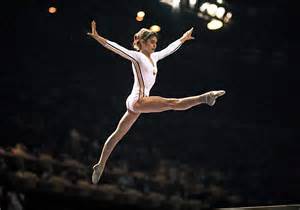
 North Wollongong Beach with my family. At that time, I was in reasonable physical shape and was sunning myself (and, yes, preening myself) on the sand. Then a procession of ancient Greek Gods, men and women of tremendous physique and beauty hove into view dwarfing mere mortals like me. This wasn’t the product of sunstroke but a contingent of Australian Olympians passing by. Some among this elite group occupying the pinnacle of sporting prowess become even larger in the public’s consciousness and attain the status of myth, of icon.
 the 1960s. Problems with alcohol and the excesses of an extravagant lifestyle were to dog him for the last decades of his life, about which he quipped memorably: “I spent a lot of money on booze, birds and fast cars – the rest I just squandered”.
 associated with his liver transplant. One afternoon in 2006, the conversation got around to song-writing and I said that I could write a song about where we were. I pointed to the photograph on the wall and said that it would feature in the verses. Furthermore, I boasted, you’ll feature too: Bullshit, he replied:
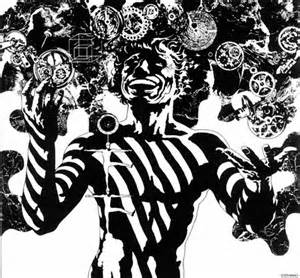 Entry 37: Harlequin’s Poles- Several bodies ago, I read Repent, Harlequin! Said the Ticktock Man by Harlan Ellison. Now, isn’t that an appropriately sci-fi opening sentence? The belief that the human body turns over on a cellular (or is it atomic?) level every 7 to 10 years has whiskers on it, of course.
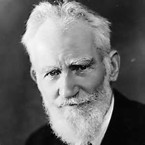 at such a rate that no part of us lasts longer than eight years: I am therefore not now in any atom of me the person who wrote The Irrational Knot in 1880. The last of that author perished in 1888; and two of his successors have since joined the majority. Fourth of his line, I cannot be expected to take any very lively interest in the novels of my literary great-grandfather.
 Richard Feynman, one of the truly great minds of 20th Century science, relates, once in Hawaii, I was taken to see a Buddhist temple. In the temple, a man said, “I am going to tell you something that you will never forget.” And then he said “To every man is given the key to Heaven. The same key opens the gates of Hell.”
 is only a pattern or dance, that is what it means when one discovers how long it takes for the atoms of the brain to be replaced by other atoms. The atoms come into my brain, dance a dance, and then go out – there are always new atoms, but always doing the same dance, remembering what the dance was yesterday.
 centres of Hiroshima and Nagasaki in August 1945.
 40 years. My life was punctuated by bells as I rushed from class to class or class to staffroom or staffroom to class, always behind, arms full of exercise books not yet marked, the Ticktock Man pursing his lips as, once again, I stumbled into the classroom to be faced with faces waiting with me for the summons of the next bell.
 Tramp” is one of the most memorable clown variants and in The Great Dictator the great comic showed greater insight than most of his contemporaries in satirising the contemptible Nazis and their odd-looking leader. The representation of the clown as trickster plays to our dislike of those in power and we cheer when pomposity is punctured yet remain wary of the jeering japester who capers on the edge of our comfort zone sneering sardonically at our incapacity for truly independent action; the sad ordinariness of us.
 exact spot where the promise of swift submersion beckons like a lover’s arms; for others, closing the door on the world to resume a passion (or hobby) suffices. For only a few does it comprise what occupies most of our waking hours. Which explains the persistence of poetry.
 dictionary defines buck-and-wing as a boisterous tap dance, derived from Black and Irish clog dances. Dance, like music, is inextricably bound up in time yet together they conspire to overcome its tyrannical hold on our existence.
 Entry 38: Airman- Who do you think you are? What a wonderful title for a TV concept. We are all a bit curious about who we are and where we come from. As kids, of course, we riff on the idea that we are, in fact, the progeny of aristocrats or some impossibly glamorous couple who have somehow become sundered from their child who is now, for some unfathomable reason, languishing in a common-or-garden family from Dullsville. If only we could be re-united!
 and flashing bulbs as the paparazzi of the world clambered over one another to gain the perfect shot of the perfect lost child now returned to the bosom of the perfect family waiting in their until-now-imperfect paradise which is now complete and unassailable. Some say this is the reason that stories of blue heaven are replete in the literature of the world’s religious traditions: at heart, we are all kids yearning for apotheosis. (By the way, do you respond positively to the image of the family here? What do you think when I tell you that this is an image made by the Nazis to promote their ideas of what the family should be?)
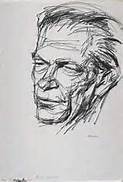 Australia from Ireland, I was trying to acclimatise by reading the poets of the place. This seemed (and seems) to me as good a way of getting to know the lie of the land as any other. Feeling homesick, I wondered if I would see my parents and siblings again.
 In 1964 we had returned to Northern Ireland, for the last time, from the sunny sojourn that was my childhood; from the Lotus Land that was the small Caribbean island of Aruba where my father had worked for twenty five years as a tug-master for the oil company founded by old man Rockefeller, one of the icons of Capitalism. From time to time, to break the monotony, I would rummage about in the attic of a rainy day- and the small coastal village of Cushendall had more than its share of these that year, as I remember it.
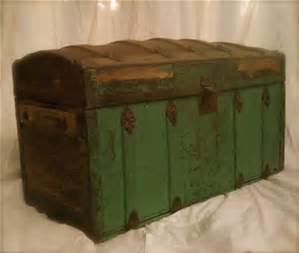 leather handles, piles of newspapers, copies of The Irish News from the years of the Second World War. And I began to read: there in black and white was the frisson of living in exciting times. A newspaper that doesn’t know if it will publish the next day, courtesy of a German bomb, has rather more focus than the indulged rags of peaceful epochs.
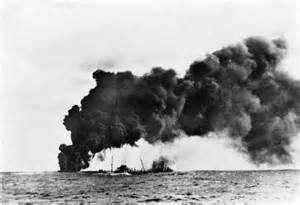 but has watched a U-Boat blow a friend out of the water, literally. Strange how glibly that phrase “blown out of the water” falls from the mouths of those who have never been closer to conflict than raised voices, a shove or a drunken slap.
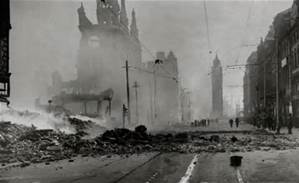 broach. My mother, meanwhile, an ocean away, helped console the shattered survivors of the Luftwaffe’s attacks on Belfast.
 expatriate Americans: You can bet the refinery will be hit! The periodicals were full of details of how to build bomb shelters. The commie bastards would, of course, be utterly destroyed. MAD was more than a magazine title, in those days.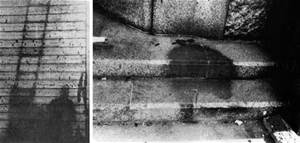
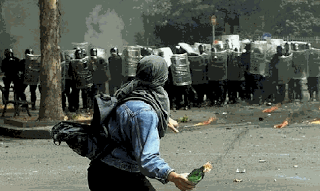 day-to-day existence. The archaic Roman concept of homo sacer may be illuminating here: it refers to the accursed man, that is, a person who is outside the protection of the law and may be killed with impunity. Wanted: dead or alive and shoot on sight are aligned with this concept.
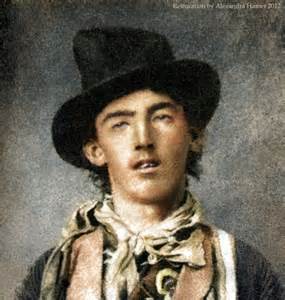
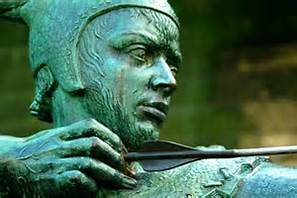 The common folk have always celebrated those who stick it to the man. The common lot of the common man, woman and child is to endure the insults and imposts of authority as part of their lived experience. The legend of Robin Hood is probably as old as Chaucer and robbing the rich to give to the poor will always have massive popular support if for no other reason that there are far fewer of the former than the latter.
 potently, in the games of children. Born a Catholic in Northern Ireland, I absorbed tales of heroes and rebels from Cú Chulainn to James Connolly. Cú Chulainn was quite a lad; listen to this anecdote about him,
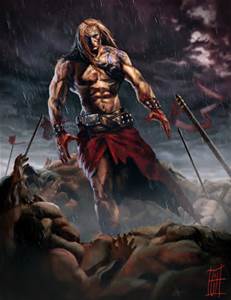 he had not finished his prophecy—the warrior who took arms that day would be famous, but his life would be short.
 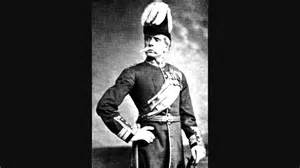 In late 1969, I was in my college room with the British-born co-editor of the magazine we had named TET after the North Vietnamese Army and Viet Cong coordinated attacks of the year before. The mag was filled with the bog-standard lefty student satire of the late 60s. We were coolly ironic and I was playing I am the very model of the modern major-general at volume.
 singing: A great crowd had gathered outside of Kilmainham…the opening line of one of the most popular rebel songs- James Connolly. After this rousing riposte to the quintessentially British ditty I had been playing, we all laughed good-naturedly.
 In Australia, I found a place that was a sanctuary that was familiar but strange at the same time. The anti-authoritarianism, sense of humour, folk music and love of the underdog were like an old coat but the rips, leeches, spiders and swooping birds punctured the homelike elements, somewhat. Before too long I was playing in a couple of folk ensembles, one Irish and one Australian.
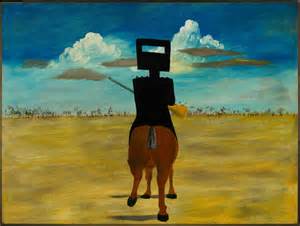
 Nolan certainly thought so, producing a series of paintings featuring the outlaw with his iron helmet on horseback in a variety of evocative Australian landscapes.
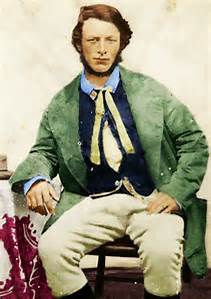 Bill Dargin he was chosen to shoot the outlaw dead,/The troopers then fired madly and they filled him full of lead,/They rolled him in his blanket and strapped him to his prad,/ And they led him through the streets of Forbes, to show the prize they had.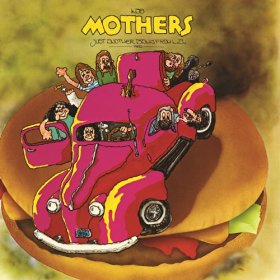
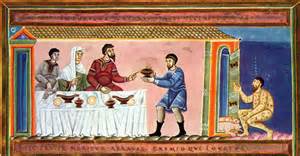 have achieved and what, if anything, you can pass on. Consider a tramp dying in a ditch with nothing except holes in his pockets before the gates of a mansion filled with the products of opulence owned by a man who has fleets of ships and warehouses filled with consumer goods. Can you judge which man has more claim as to who is the better person? Which one is worthier of salvation? Do you need more information or will you leave the decision to a higher power, say, the Twittersphere?
 Patrimony is defined by Merriam-Webster as anything derived
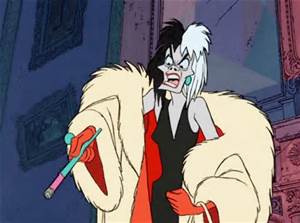 from one’s father or ancestors. It may be material and exogenous, such as that mansion or something less tangible but nevertheless real- such as an inheritable characteristic such as a predisposition to…what? Let us conduct a mind experiment where the progeny of St Francis of Assisi and Snow White are set against the issue of, say, Adolph Hitler and Cruella De Ville.
 The children: a boy and a girl from each union, are stranded on a
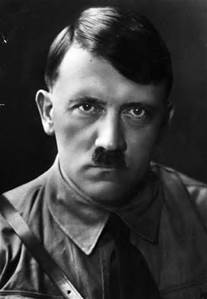 sinking ship. There are only two places left on the last lifeboat. You must choose who is to be saved. Do you save the girls? The boys? The pair from the forces of Good or those of the forces of Evil? Or one from each family? Choose. Perhaps you want to leave that to the Twittersphere, too…
 I am referring to Billy the Mountain, by Frank Zappa and the Mothers of Invention from an LP I bought in Wollongong in 1973 entitled Just Another Band from LA. I lost it, with a whole lot else, somewhere in the Seventies. For a fistful of digital dollars, I have recovered the lost item. Now, whether it’s a blessing or a curse
 remains to be seen. But back to the questions posed earlier: have you consulted anyone? Played a lifeline, perhaps? Where, or to whom, do you turn? As for me- I trust the artists- and the poets, in particular.
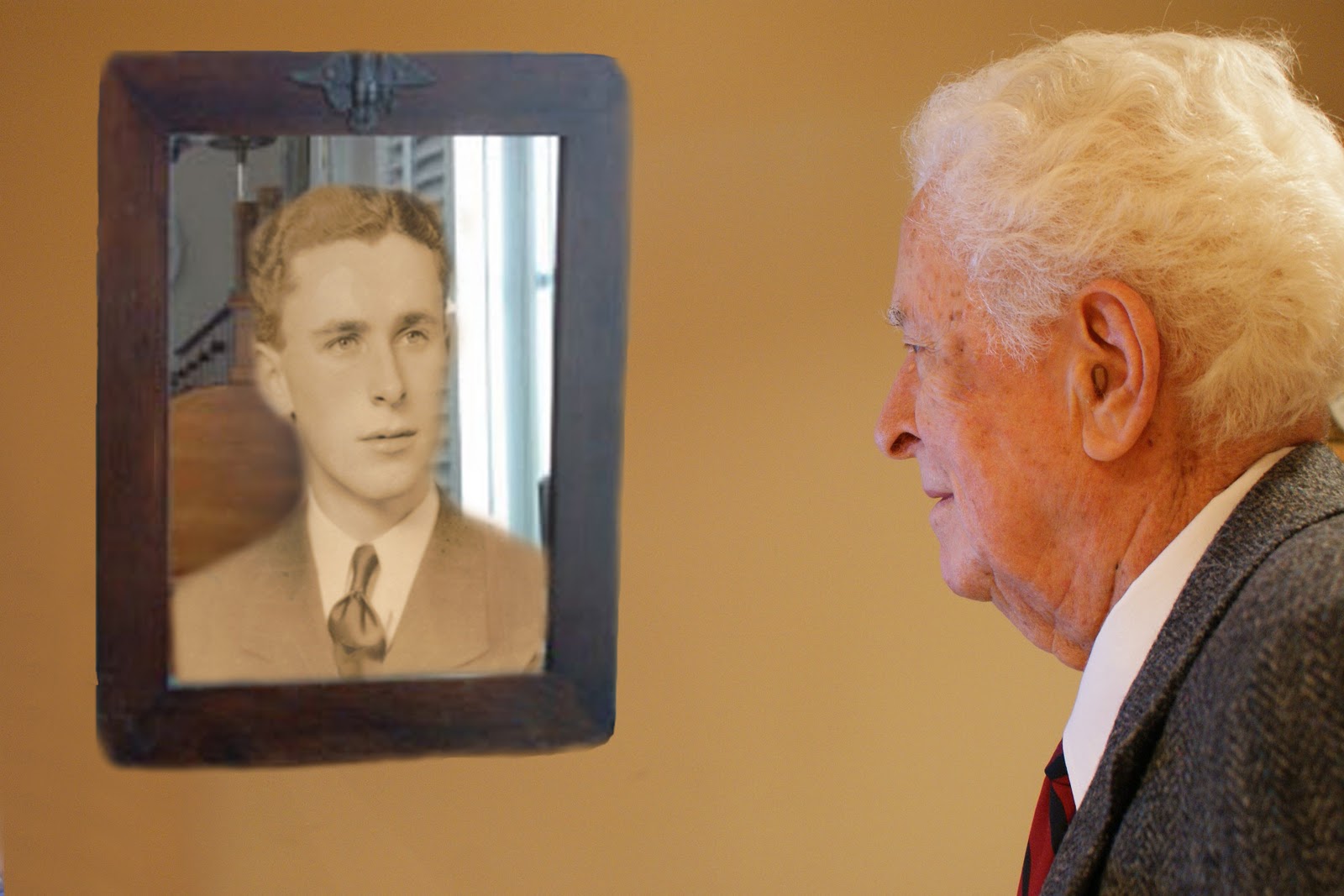 I am the family face;/ Flesh perishes, I live on,/ Projecting trait and trace/ Through time to times anon,/ And leaping from place to place/Over oblivion.
 faults and foibles that I possess in more than abundant measure, I spread the blame down the endless years back to our ancestral mother and father, and thus, feel that I am able to go on living. So, if I were you, I wouldn’t be so quick to discount the concept of Original Sin.
 the fathers visited on subsequent generations and use it as an excuse. Worth a try, anyway. Yeah, I know, I’m not fooling anyone, am I? I can’t answer the question of who should be allowed in the lifeboat. Our whole world is a lifeboat and the few privileged individuals who have stood outside it have attested to the ineluctable conclusion that we are all inheritors of the most precious gift the universe can bestow- our blue planet.
 Moon, written by Robert Hunter back in the late Eighties. Only twelve people in the history of the Earth have, in fact, stood on the moon. How many can you name? After Neil Armstrong and Buzz Aldrin, I mean? Even one?
 Me? I turn to poetry. Billy Collins, the American poet laureate, wrote a brilliant poem entitled On Turning Ten. The last stanza: It seems only yesterday I used to believe/there was nothing under my skin but light./If you cut me I could shine./But now when I fall upon the sidewalks of life,/I skin my knees. I bleed. Do yourself a favour: find the whole poem and read it. Patrimony is really just the good stuff we tell each other.